Paediatric speech pathology
At iThrive we specialise in paediatric speech pathology, focusing on assessing, diagnosing, and supporting children as young as 18 months through to young adulthood to achieve their speech, language and communication goals. We aim to ensure that no individual is held back by speech and language difficulty, to help pave the way for a happy and fulfilling life.
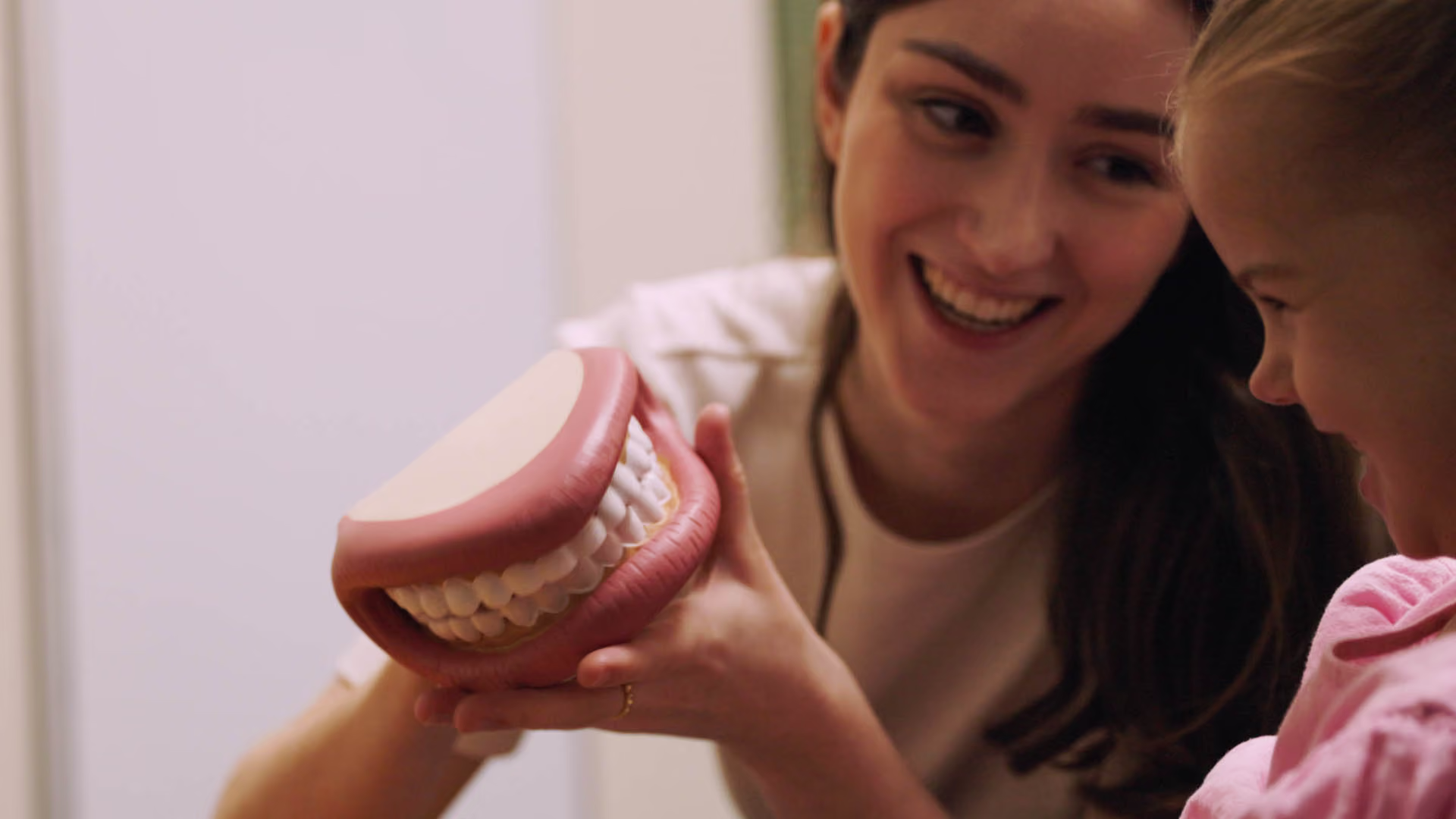
Helping children communicate with confidence through paediatric speech pathology
At iThrive Health, our paediatric speech pathologists support children with speech sounds, language development, literacy, social communication and augmentative and alternative communication (AAC). We take time to understand each child’s strengths and goals, then create personalised, play-based therapy that supports communication at home, school and in the community. Working closely with families, educators and other health professionals, we help children build confidence, connection and greater independence.
Explore speech pathology services
Some other helpful speech pathology resources
The National Disability Insurance Scheme (NDIS) funds and supports individuals with disabilities, including eligible children. This program helps families access necessary therapies and services, ensuring children receive early intervention and long-term support.
NDIS funding is flexible, allowing families to access services tailored to their child’s needs. Occupational therapy, speech pathology, and other developmental supports can be funded to help children build essential skills and participate more fully in daily life.
Families interested in NDIS support should determine eligibility by contacting the NDIS or a Local Area Coordinator. Once eligibility is confirmed, an assessment and planning meeting helps outline the child’s goals and the funding required to support them.
Once a child has an approved plan, families can select registered NDIS providers to deliver therapy and support services. The NDIS allows families to choose the best professionals to meet their child’s specific needs and goals.
At iThrive Health, we are committed to making therapy accessible and affordable for all families. We provide guidance on Medicare rebates and NDIS funding to help cover therapy costs, ensuring financial concerns don’t interfere with quality care.
Children may qualify for NDIS funding if they have a permanent and significant disability that affects daily activities. This includes neurodevelopmental conditions such as Autism Spectrum Disorder, ADHD, Global Developmental Delay, and Down Syndrome, as well as physical disabilities, sensory processing disorders, and communication difficulties. For children under seven, support is provided through the Early Childhood Early Intervention (ECEI) approach, focused on maximising developmental outcomes.
Answers to the most commonly asked speech pathology questions
Speech Pathology supports children with communication challenges, including difficulties with speech sounds, language development, social communication, and literacy. Our therapists work with children to enhance their ability to express themselves clearly and confidently.
Some common signs include difficulty pronouncing words, limited vocabulary for their age, trouble following instructions, or frustration when trying to communicate. If you’re unsure, our team can perform a comprehensive assessment to identify any areas of concern. Early intervention is key - if your child isn't meeting typical speech or language milestones, it's best to seek an assessment as soon as possible. We work with children from infancy through adolescence.
During the initial assessment, our Speech Pathologist will observe your child’s communication skills, play-based interactions, and complete standardized assessments. This helps us understand your child’s strengths and areas for development, so we can create a tailored therapy plan.
Typically, sessions last 45 minutes and are held weekly. The frequency and duration of therapy depend on your child’s individual needs, which will be discussed during your initial consultation.
Yes, speech therapy can support literacy development. Our therapists work on phonological awareness, decoding skills, and language comprehension, which are crucial for reading and writing.
Absolutely. Our Speech Pathologists are experienced in supporting children with ASD, focusing on social communication, expressive language, and understanding spoken language in everyday settings.
